

Hillside Ave., Williston Park, NY: A Hidden Gem in Long Island
December 7, 2024
Karak Chai: America’s New Favorite Tea Tradition
September 28, 2025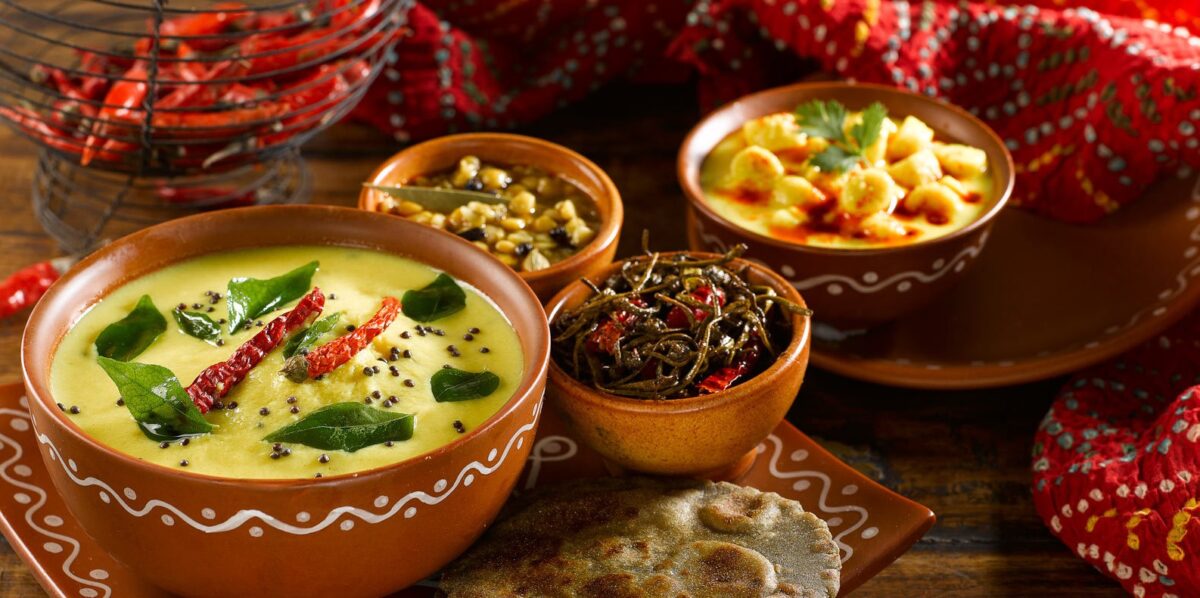
Jain cuisine represents one of the most refined and compassionate culinary traditions in the world, deeply rooted in the principles of ahimsa (non-violence) and spiritual purity. This comprehensive guide explores the complete Jain menu, from daily meals to festival specialties, offering insights into a culinary philosophy that prioritizes minimal harm to all living beings.
Understanding Jain Dietary Principles
The foundation of Jain cuisine rests on strict adherence to non-violence principles. Jains follow the most restrictive form of religiously-motivated diet regulation in the Indian subcontinent, avoiding foods that cause harm to multiple-sensed organisms or involve violence in their procurement.
Core Restrictions Include:
- Complete prohibition of meat, fish, eggs, and all animal products except dairy
- Root vegetables (potatoes, onions, garlic, carrots, radishes, ginger, beets) as they contain numerous microorganisms and require killing the entire plant
- Fungi and yeast including mushrooms, as they are considered multi-sensed organisms
- Honey, since its collection involves violence against bees
- Fermented foods (alcohol, beer, wine) to avoid killing microorganisms in the fermentation process
Traditional Jain Breakfast Menu
Morning meals in Jain cuisine emphasize light, easily digestible foods that provide sustained energy without violating dietary principles.
Popular Breakfast Options:
Steamed Delicacies:
- Poha Dhokla – No soaking or fermentation required, made from flattened rice, semolina, and yogurt
- Vermicelli Idli – Instant semolina-based steamed cakes perfect for busy mornings
- Moong Dal Dhokla – Traditional steamed lentil cakes with aromatic tempering
Flatbreads and Parathas:
- Methi Thepla – Fenugreek-spiced flatbreads, perfect for travel and picnics
- Cauliflower Methi Paratha – Stuffed whole wheat breads with spiced cauliflower and fenugreek
Quick Options:
- Jain Poha – Flattened rice with peanuts, turmeric, and lemon juice (no onions)
- Tomato Poha – Tangy version with tomatoes replacing traditional potatoes
- Upma – Semolina cooked with vegetables like peas, beans, and capsicum
Comprehensive Jain Lunch Menu
The traditional Jain lunch follows the thali format, offering a balanced combination of proteins, carbohydrates, vegetables, and dairy.
Essential Thali Components:
Lentils and Dals:
- Mixed Dal Tadka – Combination of toor, masoor, and moong dal with cumin and hing tempering
- Dal Makhani (Jain) – Rich black lentils without onion or garlic, flavored with Indian spices
- Gujarati Mag ni Dal – Dry-style split moong dal, easy to digest
Vegetable Curries (Sabzis):
- Bhindi ki Sabzi – Okra stir-fried with mild spices
- Gatte ki Sabzi – Gram flour dumplings in traditional Rajasthani gravy
- Lauki Tamatar Sabzi – Bottle gourd and tomato curry
- Cabbage Capsicum Stir-fry – Simple, nutritious mixed vegetable dish
Rice Preparations:
- Jeera Rice – Cumin-flavored basmati rice
- Matar-Mangodi Pulao – Fragrant rice with peas and dried lentil nuggets
- Vegetable Biryani (Jain) – Aromatic rice with mixed vegetables and spices
Jain Dinner Specialties
Evening meals traditionally focus on lighter fare, consumed before sunset in adherence to Jain customs.
Traditional Dinner Options:
Light Curries and Gravies:
- Tinda Sabzi – Apple gourd curry with tomatoes and spices
- Paneer Capsicum Masala – Cottage cheese with bell peppers in tomato gravy
- Raw Banana Coconut Sabzi – Innovative use of raw bananas with grated coconut
Comfort Foods:
- Moong Dal Khichdi – Rice and split green gram with select vegetables
- Dal Dhokli – Wheat flour dumplings in lentil soup, a Gujarati favorite
- Jain Chole – Spiced chickpeas without onion or garlic
Festival and Special Occasion Menu
During Paryushan and other Jain festivals, special dishes are prepared following even stricter guidelines, often avoiding green vegetables and emphasizing purity.
Paryushan Specialties:
Main Dishes:
- Bajra Khichdi – Pearl millet and rice, a traditional festival favorite
- Ganthia Subzi – Curry made with gram flour noodles
- Kanji Vada – Fermented drink with lentil dumplings (prepared fresh)
Sweets and Desserts:
- Lapsi – Broken wheat cooked with ghee and jaggery, flavored with cardamom
- Atte ka Sheera – Wheat flour halwa, often served as prasad
- Kopra Pak – Coconut and milk-based sweet
- Badam ka Sheera – Almond halwa for breaking fasts
Jain Snacks and Street Food
Jain cuisine offers numerous snack options that maintain dietary principles while delivering satisfying flavors.
Popular Snack Items:
Fried and Steamed Snacks:
- Jain Dhokla – Steamed chickpea flour cakes with no fermented batter
- Chana Dal Seekh Kebabs – Protein-rich lentil kebabs with mint and spices
- Masala Khakhra – Spiced wheat crackers, perfect for travel
Street Food Adaptations:
- Jain Pav Bhaji – Popular Mumbai street food using raw bananas instead of potatoes
- Bhel Puri – Crispy rice puff mixture with chutneys
- Papri Chaat – Indian-style nachos with chickpeas and yogurt
Complete Jain Thali Composition
A traditional Ultimate Jain Thali represents the pinnacle of this cuisine, offering multiple dishes that create a perfectly balanced meal.
Full Thali Components:
Proteins and Lentils:
- Mixed dal preparation
- Paneer-based curry
- Dried lentil preparations (mangodi)
Vegetables:
- 2-3 seasonal vegetable curries
- One dry sabzi preparation
- Fresh salad (cucumber, tomato, bell pepper)
Carbohydrates:
- Flavored rice or plain rice
- Fresh rotis or parathas
- Optional: stuffed bread varieties
Accompaniments:
- Fresh buttermilk (chaas)
- Pickle (without root vegetables)
- Papad
- Sweet dish or dessert
Beverages and Refreshments
Jain cuisine includes various beverages that complement meals and provide refreshment throughout the day.
Traditional Drinks:
- Fresh Lime Water – Simple, refreshing, and pure
- Buttermilk (Chaas) – Yogurt-based drink with cumin and mint
- Coconut Water – Natural and cooling
- Fresh Fruit Juices – Pineapple, apple, cucumber combinations for detox
Seasonal and Regional Variations
Jain cuisine adapts to seasonal availability while maintaining core principles, with regional variations particularly notable in Gujarati and Rajasthani traditions.
Rajasthani Specialties:
- Ker-Sangri – Desert beans and berries cooked with authentic spices
- Dal Baati Churma – Baked wheat balls with lentils and sweet wheat mixture
- Panchkuta – Five-ingredient traditional desert vegetable preparation
Gujarati Favorites:
- Gujarati Kadhi – Yogurt-based curry with gram flour dumplings
- Handvo (Jain) – Savory steamed cake with mixed vegetables
- Khandvi – Rolled gram flour sheets with tempering
Modern Adaptations and Health Benefits
Contemporary Jain cuisine has evolved to include healthier alternatives and modern cooking techniques while preserving traditional values.
Health-Focused Options:
- Quinoa and Chickpea Salad – Protein-rich modern salad with vegetables
- Oats Methi Muthia – Healthier version using oats instead of refined flour
- Sprouts Dhokla – Nutrient-dense steamed snack with sprouted legumes
The Jain menu represents more than just dietary choices; it embodies a complete philosophy of compassionate living. From simple breakfast items to elaborate festival feasts, every dish reflects the commitment to ahimsa while delivering exceptional flavors and nutritional value. This cuisine proves that following strict ethical guidelines need not compromise on taste or variety, offering a rich culinary tradition that nourishes both body and soul.
Whether preparing daily meals or special occasion feasts, the Jain menu provides endless possibilities for creating satisfying, healthful, and spiritually aligned food experiences. The emphasis on fresh ingredients, minimal processing, and seasonal eating makes this cuisine particularly relevant for modern health-conscious individuals seeking both ethical and nutritious food choices.
Enjoy authentic Jain Menu at Varli Indian Street Kitchen.